
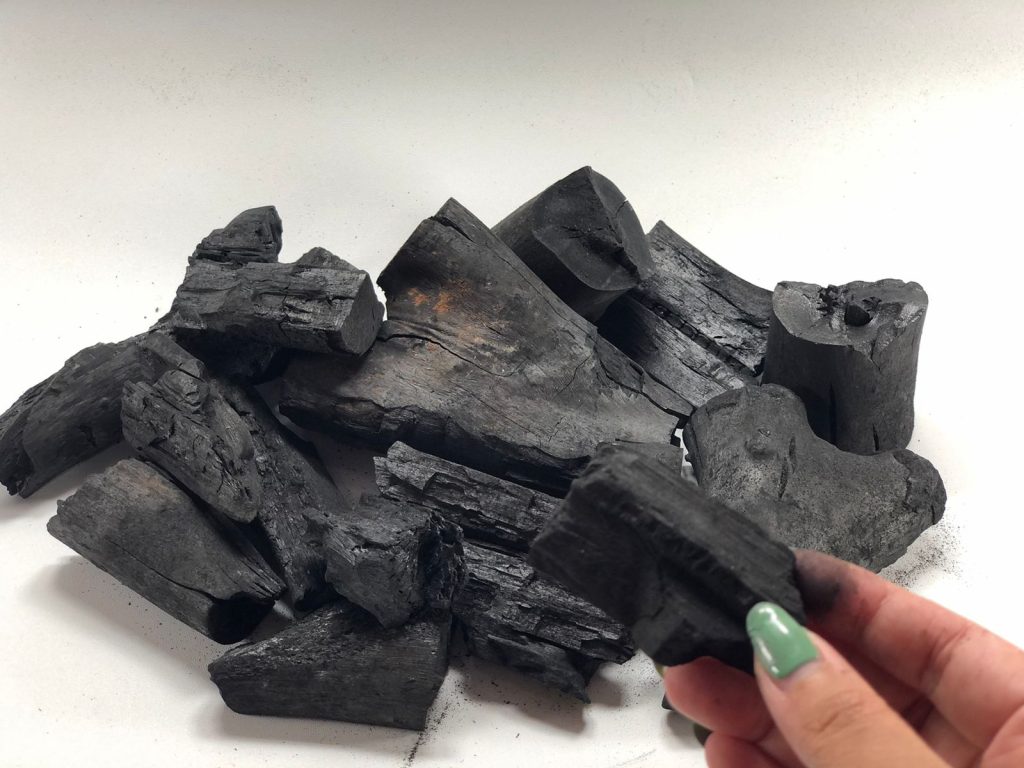
Understanding Sustainable Energy from Briquettes
Briquettes are compact blocks produced by compressing biomass materials such as coconut shells, rice husks, sawdust, and agricultural residues. These materials are abundant, renewable, and often considered waste. Converting them into fuel reduces pollution while creating a dependable energy option.
Because briquettes come from plant-based sources, they take part in the natural carbon cycle. The carbon released during combustion is similar to what the plants absorbed during growth, making briquettes effectively carbon-neutral when used responsibly. This natural balance supports global climate goals and encourages more sustainable fuel consumption.
Environmental Advantages of Briquette-Based Energy
One of the major benefits of briquettes is their reduced environmental impact. They burn cleaner than firewood or traditional charcoal, producing less smoke, fewer particulates, and minimal ash. This supports better air quality and healthier living conditions for both rural and urban communities.
Briquettes also help prevent deforestation. Traditional charcoal production often requires cutting down trees, contributing to habitat loss and soil degradation. Briquettes rely on agricultural waste instead, making them a more sustainable option for regions dependent on wood-based fuels.
Additionally, briquettes help lower greenhouse gas emissions. Converting biomass waste into fuel prevents methane release during decomposition and provides an energy source with far fewer emissions than fossil fuels.
Performance and Efficiency Benefits
Briquettes are valued for strong heat output, long burn times, and consistent performance. Their dense structure ensures steady combustion, making them ideal for cooking, heating, and industrial processes that require reliable heat.
Modern production methods create uniform briquettes with controlled moisture and density. This enhances combustion efficiency and ensures stable heat—important for industries such as food processing, metalworking, and brick production.
They also leave minimal residue, reducing cleaning needs in stoves or furnaces. Their compact shape makes them easy to handle, store, and transport, improving overall convenience and lowering operational costs.
Supporting Communities and Local Economies
Sustainable briquette production also benefits local economies. With simple machinery and locally available biomass, briquette-making creates small-business opportunities and rural employment. Farmers gain additional income by selling agricultural waste, creating a circular economy where waste becomes energy and economic value.
In many developing regions, briquettes help reduce energy poverty by providing an affordable, locally produced fuel source. This strengthens community resilience and encourages long-term energy independence.
A Path Toward a Greener Energy Future
As demand for clean, affordable fuel rises, briquettes provide a practical and scalable solution. They balance environmental responsibility with real energy needs, offering a pathway to reduced carbon footprints and support for global climate efforts. Their expanding use also encourages innovation in biomass technology, leading to even more efficient and sustainable forms of solid fuel.
Conclusion
Sustainable Energy from Briquettes Fueling the Future Naturally highlights a modern, nature-based approach to clean energy. With renewable materials, efficient combustion, and strong performance, briquettes are a reliable and eco-conscious fuel choice for a wide range of applications.
As more households and industries adopt them, renewable energy from briquettes will continue to expand, offering cleaner heat, reduced emissions, and sustainable fuel alternatives that support global environmental goals. Briquettes help shape a greener, more resilient energy landscape, ensuring that future generations benefit from cleaner technologies powered naturally by the abundant resources we already have.