
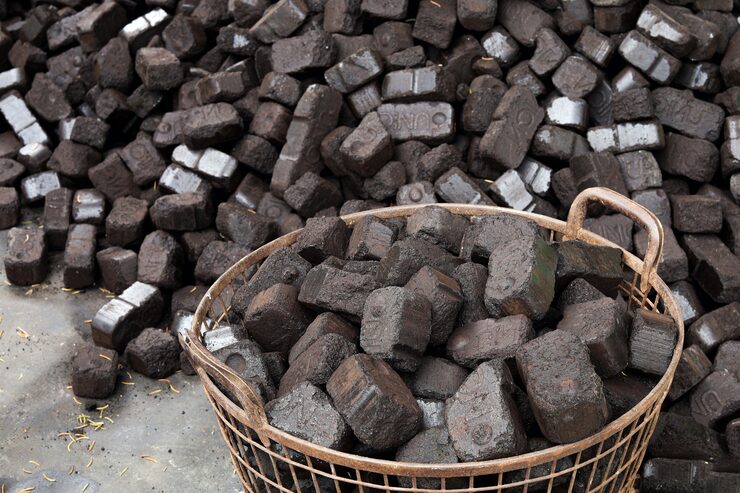
In recent years, the global move toward sustainable energy has increased the use of cleaner, more efficient fuel options. One solution gaining attention is biomass briquettes—compact blocks made from organic waste. As efforts grow to lower carbon emissions and reduce fossil fuel dependence, renewable energy from briquettes driving eco-friendly fuel use becomes increasingly important.
Among the leading choices is coconut shell charcoal briquette, valued for its clean combustion and reliable performance in both homes and industry.
Understanding Renewable Energy from Briquettes
Briquettes are produced from biomass sources such as coconut shells, sawdust, rice husks, agricultural residues, and other organic materials. Unlike conventional charcoal or firewood, which often contribute to deforestation and environmental degradation, briquettes make use of waste materials that would otherwise be discarded.
This process not only reduces waste but also transforms it into a valuable source of renewable energy. Because briquettes originate from organic matter that naturally regenerates, they are classified as renewable energy. Their production is based on recycling and compressing biomass into high-density blocks with consistent shape and moisture levels.
This manufacturing process ensures better combustion quality, higher energy output, and lower emissions compared to traditional solid fuels.
Environmental Benefits of Briquette-Based Renewable Energy
One of the strongest advantages of briquettes is their role in reducing environmental impact. When used as a fuel source, briquettes burn cleaner, producing significantly less smoke, ash, and harmful particulates. This makes them ideal for both indoor and outdoor applications, especially in communities where clean air quality is a priority.
Additionally, using briquettes helps reduce the need for cutting down trees for firewood or charcoal production. By relying on agricultural waste and other biomass materials, briquettes support forest conservation and help maintain ecological balance. This aligns with global initiatives aimed at reducing greenhouse gas emissions and promoting sustainable land management.
Briquettes also produce fewer carbon emissions. Since the carbon released during combustion is part of the natural carbon cycle—originally absorbed by the plants during growth—briquettes are considered carbon-neutral. This makes them a valuable alternative in efforts to combat climate change.
Efficiency and Performance Advantages
Beyond environmental benefits, briquettes are known for their efficiency and consistent performance. Their compact structure allows them to burn longer and more steadily than traditional charcoal. This provides users with stable heat output, ideal for cooking, heating, industrial processing, or manufacturing.
Many modern briquettes are engineered using advanced technology that controls moisture, shape, and density. This results in predictable combustion behavior, making them easier to use and more reliable. For industries requiring long, stable heat—such as metallurgy, food processing, and brick making—briquettes offer a dependable renewable fuel option.
Briquettes also produce less residue, making cleanup easier and reducing maintenance for stoves, furnaces, or boilers. Their uniform size and shape simplify handling, storage, and transportation, contributing to overall operational efficiency.
Supporting Eco-Friendly Fuel Use in Homes and Industry
As more consumers and businesses adopt sustainable practices, briquettes are becoming a key component of eco-friendly fuel strategies. Households benefit from a cleaner, smoke-reduced cooking or heating experience. Meanwhile, industries that traditionally relied on coal or wood are shifting toward briquettes to reduce operational emissions and align with environmental regulations.
Communities that produce briquettes also gain economic advantages. The process creates local jobs, supports small industries, and encourages innovation in biomass utilization. By turning waste into energy, briquette production strengthens local economies while contributing to a healthier planet.
Conclusion
The growing demand for cleaner fuel highlights the value of renewable energy from briquettes driving eco-friendly fuel use. With strong environmental benefits, reliable heat performance, and solid economic advantages, jacoid briquettes offer an important step toward practical, sustainable energy.
As more homes and industries choose this renewable fuel, briquettes will continue supporting a cleaner, low-emission future.