
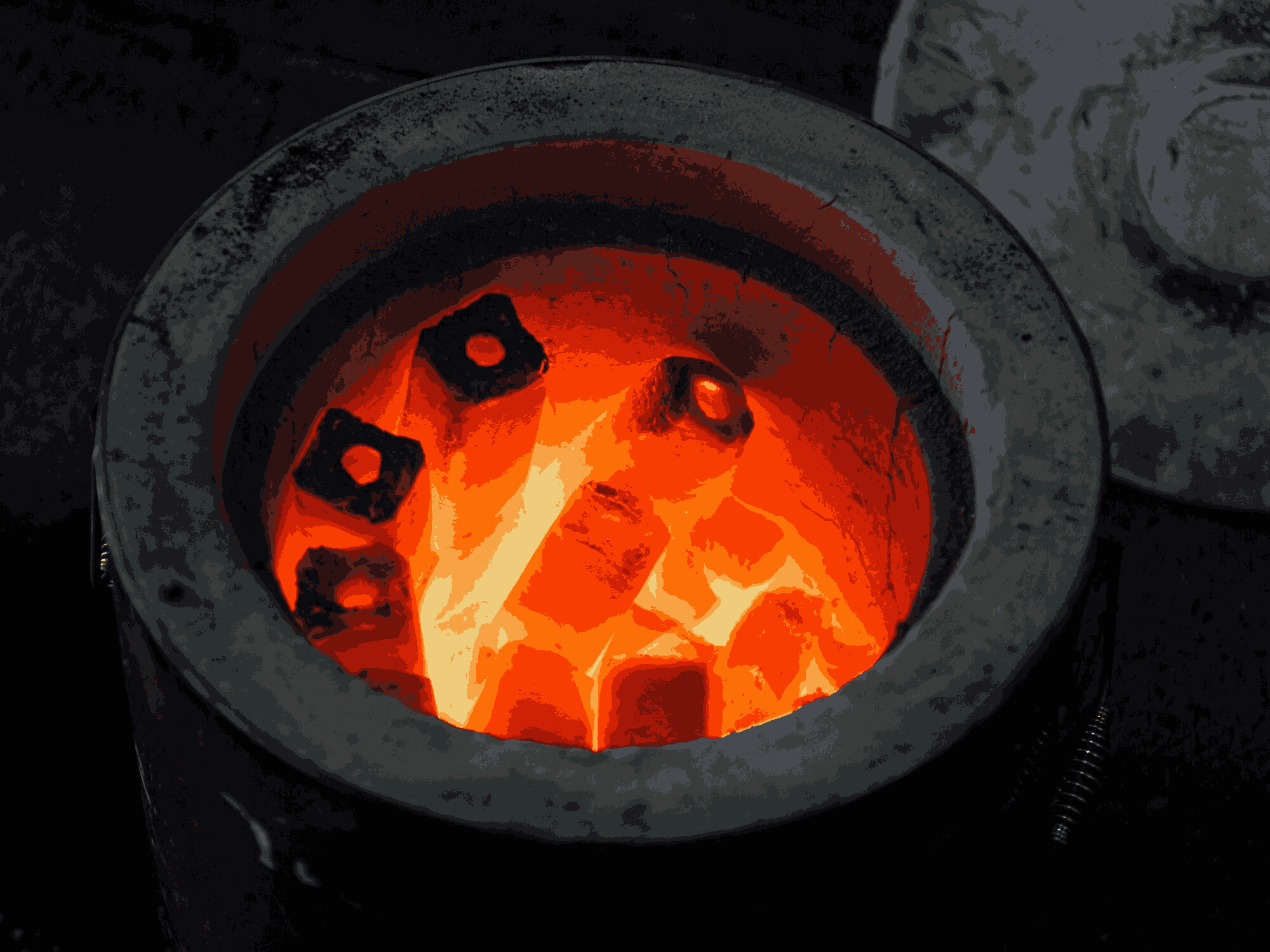
In today’s eco-conscious world, sustainability is no longer optional—it’s essential. One standout innovation in this green revolution is low ash coconut shell charcoal, a cleaner, more efficient alternative to traditional charcoal. Derived from renewable coconut shells, this type of charcoal is gaining traction in both domestic and industrial settings, and for good reason.
What is Low Ash Coconut Charcoal?
Low ash coconut shell charcoal is produced through the carbonization of coconut shells, followed by meticulous refining to ensure a low ash content—typically under 2.5%. This low ash level ensures minimal residue after combustion, making it highly suitable for applications where cleanliness and efficiency are vital.
Why Low Ash Matters
Ash content plays a crucial role in determining the quality of charcoal. Higher ash levels can hinder combustion and leave behind unwanted debris. In contrast, low ash charcoal provides:
-
Longer burning time
-
Higher calorific value
-
Minimal residue
-
Better air quality due to reduced particulate matter
These features make it ideal for barbecues, water pipe smoking (shisha), and various industrial processes such as metallurgy and gold smelting.
Eco-Friendly and Sustainable Fuel Source
One of the primary advantages of coconut shell charcoal is its sustainability. Since coconut shells are a byproduct of the coconut industry, turning them into charcoal reduces waste and maximizes resource utilization. This stands in stark contrast to traditional wood charcoal, which contributes to deforestation and environmental degradation.
The production process is also cleaner, producing significantly fewer emissions compared to other fossil fuel alternatives. If you’re looking for a carbon-neutral energy source, this is as close as it gets.
Industrial Applications and Demand
The consistent performance and clean-burning qualities of low ash coconut shell charcoal make it highly desirable in industries that require controlled heat and minimal contamination. Manufacturers of activated carbon, metal processors, and chemical industries often prefer it over traditional fuel sources.
Additionally, the charcoal is moisture-resistant, easy to store, and has a longer shelf life—adding to its appeal for large-scale use and international export.
Export and Trade Opportunities
With growing demand globally—especially in regions like the Middle East, Europe, and Asia. This eco-friendly charcoal is opening new markets for sustainable energy exporters. For businesses looking to enter the market or scale up their operation, it’s important to partner with reliable suppliers. One such trusted name in coconut shell charcoal trade is JACOID. A leader in supplying premium-grade, low ash charcoal to international clients.
Final Thoughts
Low ash coconut shell charcoal is more than just a cleaner-burning fuel; it’s a smarter, greener choice for both consumers and industries alike. From its impressive performance metrics to its sustainable production, this charcoal variety is helping pave the way toward a cleaner, more energy-efficient future.
Whether you’re grilling in your backyard or powering a high-heat industrial furnace, consider making the switch. It’s a small step for your business or lifestyle—but a big step for the environment.
