
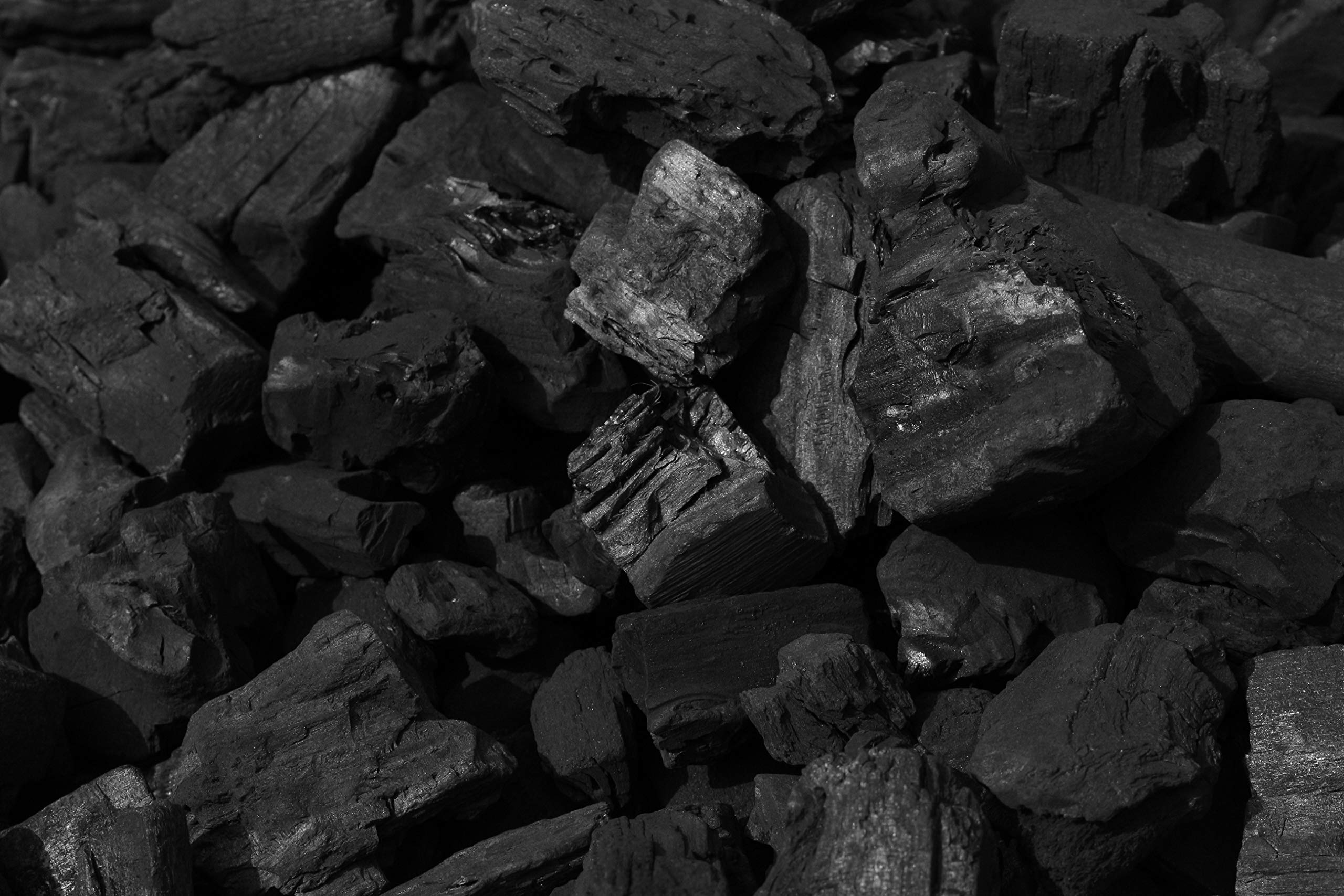
Long Burning Coconut Shell Charcoal is becoming the preferred choice for consumers seeking sustainable and efficient fuel. This natural product, derived from coconut shells, delivers exceptional heat retention and a longer burn time compared to traditional charcoal. As eco-consciousness grows, more industries and households are turning to this innovative fuel alternative for cooking, grilling, and heating.
What Makes Long Burning Coconut Shell Charcoal Unique
Long Burning Coconut Shell Charcoal stands out for its ability to burn longer and hotter without emitting harmful smoke or odors. Its compact structure allows for a slow combustion rate, making it perfect for activities like barbecuing or shisha smoking that require consistent heat. Unlike hardwood charcoal, which often burns quickly and unevenly, coconut shell charcoal offers a stable and reliable burn.
Additionally, it produces significantly less ash, which makes cleaning up easier and enhances the overall user experience. The low moisture content also ensures minimal spark or crackling during use, making it safer for indoor and outdoor applications.
Environmental Benefits of Coconut Shell Charcoal
Choosing Long Burning Coconut Shell Charcoal supports sustainable energy practices. This type of charcoal is made from agricultural waste — specifically discarded coconut shells — which helps reduce environmental waste and deforestation. Rather than cutting down trees for wood charcoal, coconut shell charcoal uses materials that would otherwise be burned or thrown away.
Moreover, the carbonization and briquetting process emit fewer pollutants compared to traditional charcoal production methods. This contributes to cleaner air and a reduced carbon footprint, aligning with global environmental goals.
To learn more about eco-friendly charcoal options, visit Jacoid’s Coconut Shell Charcoal Briquette page.
Applications of Long Burning Coconut Shell Charcoal
Long Burning Coconut Shell Charcoal is highly versatile. Here are the most common uses:
-
Barbecue Grilling: It provides consistent heat for perfectly cooked meals.
-
Shisha/Hookah: Its long burn time and minimal odor make it ideal for a smooth smoking experience.
-
Industrial Use: Industries use it in metallurgy and smelting due to its high carbon content.
-
Home Heating: Its efficiency and safety make it suitable for home stoves and fireplaces.
This charcoal’s uniform size and high density allow it to burn up to three times longer than standard charcoal, helping users save on fuel costs over time.
Why You Should Switch to Coconut Shell Charcoal
There are several reasons why switching to Coconut Shell Charcoal is a smart move:
-
Cost-Effective: Although it may cost slightly more upfront, its longevity makes it more economical.
-
Healthier: No added chemicals mean less toxic smoke.
-
Sustainable: Using waste material from coconuts reduces environmental impact.
-
Low Ash Content: Less cleanup means more convenience.
These benefits make it a compelling choice for both casual users and businesses seeking reliable and clean-burning fuel.
Choosing a Trusted Supplier
If you are looking for a dependable source for Coconut Shell Charcoal, it’s important to work with a trusted and certified supplier. Reputable exporters ensure that their charcoal meets international quality standards and undergoes strict quality control.
You can explore a reliable supplier by visiting Jacoid’s official website. They offer high-quality coconut shell charcoal that meets diverse consumer needs while maintaining a strong commitment to environmental responsibility.
Conclusion
Long Burning Coconut Shell Charcoal is a smart, eco-friendly, and efficient alternative to traditional charcoal. It’s ideal for users who value sustainability, high performance, and long-lasting fuel. Whether you are grilling outdoors, smoking shisha indoors, or heating a room, this type of charcoal delivers unmatched value and results. As demand for renewable and clean energy sources rises, coconut shell charcoal is well-positioned as a leading solution in both domestic and commercial sectors.
