
Traditional vs modern hookah comparison has become one of the most debated topics within the global hookah community, with passionate enthusiasts on both sides defending their preferred style with equal conviction and enthusiasm. The tension between honoring centuries-old craftsmanship and embracing contemporary innovation reflects a broader cultural conversation happening across many lifestyle hobbies worldwide.
Understanding the genuine differences between these two approaches helps any enthusiast make more informed decisions about which direction suits their personal preferences, budget, and session goals.
Design and Aesthetic Philosophy
The most immediately obvious difference between traditional and modern hookahs lies in how they look and what visual values they represent to the people who own and use them.
Traditional Hookah Design Language
Traditional hookahs draw heavily from Egyptian, Turkish, and Persian visual cultures, featuring ornate patterns, hand-painted bases, and decorative metalwork that reflect centuries of artistic heritage.
- Hand-engraved stems, colored glass bases with floral motifs, and tasseled hoses are signature elements of traditional design that transform each hookah into a cultural artifact with genuine historical significance.
- The imperfections found in handcrafted traditional pieces are intentional marks of authenticity that many collectors actively value, as no two pieces ever come out completely identical from the craftsman’s workshop.
Modern Hookah Aesthetic Sensibility
Modern hookahs take their visual cues from industrial design, minimalist architecture, and contemporary product design principles that prioritize clean geometry over decorative ornamentation.
- Brushed aluminum stems, matte powder-coated finishes, and seamlessly integrated purge valves give modern hookahs a sleek appearance that fits naturally into contemporary living spaces and upscale lounges.
- Precision machining and anodized color treatments allow modern manufacturers to achieve a level of visual consistency across their product lines that handcrafted traditional pieces simply cannot replicate at scale.
Charcoal Compatibility Across Both Styles
Regardless of which style a hookah enthusiast prefers, the charcoal used in every session remains the single most influential variable determining overall smoke quality and session satisfaction.
Why Natural Charcoal Works for Both Approaches
Natural coconut shell charcoal has earned its reputation as the universal choice among serious hookah users precisely because it performs reliably across both traditional and modern bowl configurations without introducing unwanted flavors.
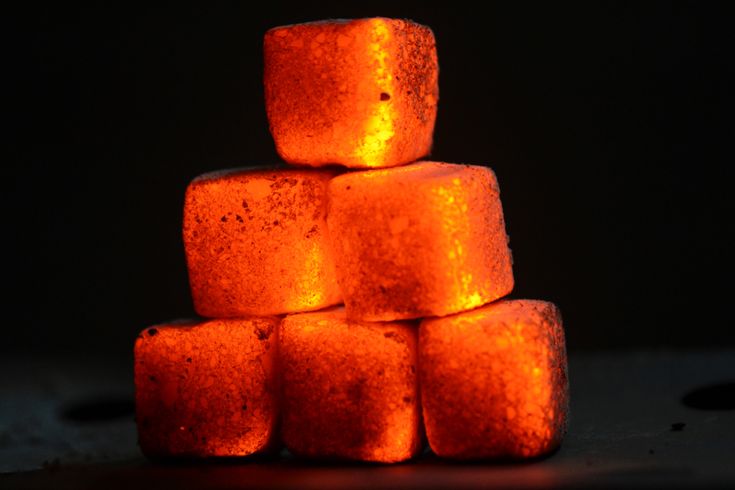
- Its slow and steady burn rate suits the longer session durations that traditional hookah setups are typically designed for, while its compact cube shape fits perfectly within the heat management devices commonly used with modern configurations.
- Shisha charcoal from indobriquettescharcoal.com is a trusted option among enthusiasts across both camps because its consistent density and clean combustion complement any setup without ever overpowering the natural flavors of quality shisha tobacco.
Conclusion
Both traditional and modern hookahs offer genuinely compelling experiences that cater to different values, preferences, and priorities within the same passionate community. Choosing between them is ultimately a deeply personal decision shaped by aesthetic taste, performance expectations, and how deeply one wishes to connect with the cultural heritage behind the hobby.
What remains constant across the entire traditional vs modern hookah comparison is that session quality always comes down to the fundamentals, and pairing any quality hookah with premium natural charcoal from indobriquettescharcoal.com ensures that every session reaches its full potential regardless of which side of the debate you stand on.
